Listen before designing.
Understand the people and context before choosing the solution.
About Braverick
Braverick was created from a simple belief: people are more willing to learn, reflect, and try something new when they feel heard, valued, and connected to why the learning matters.
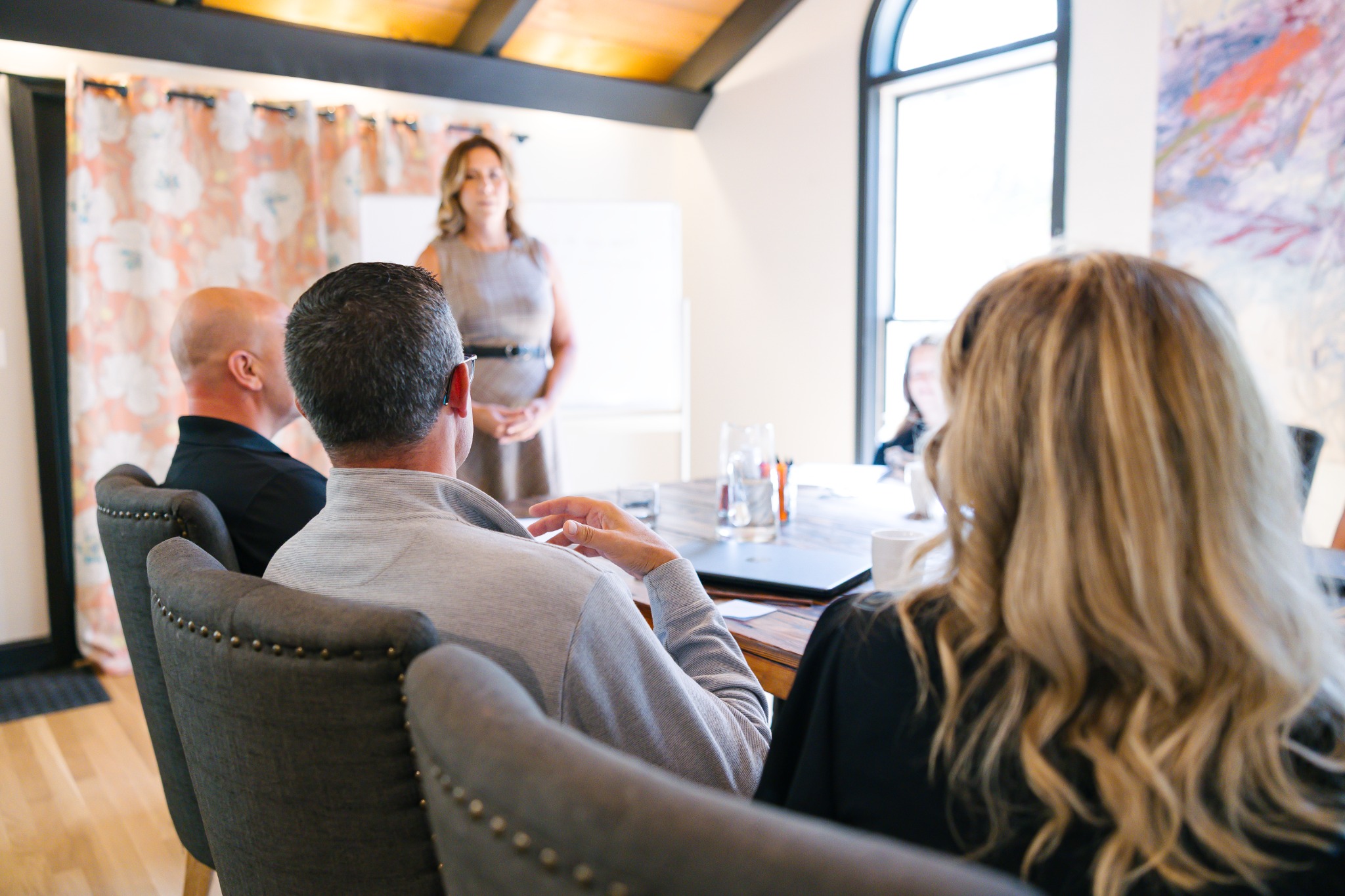
Too much workplace learning is designed around what needs to be delivered rather than what people need to understand, question, practice, and apply.
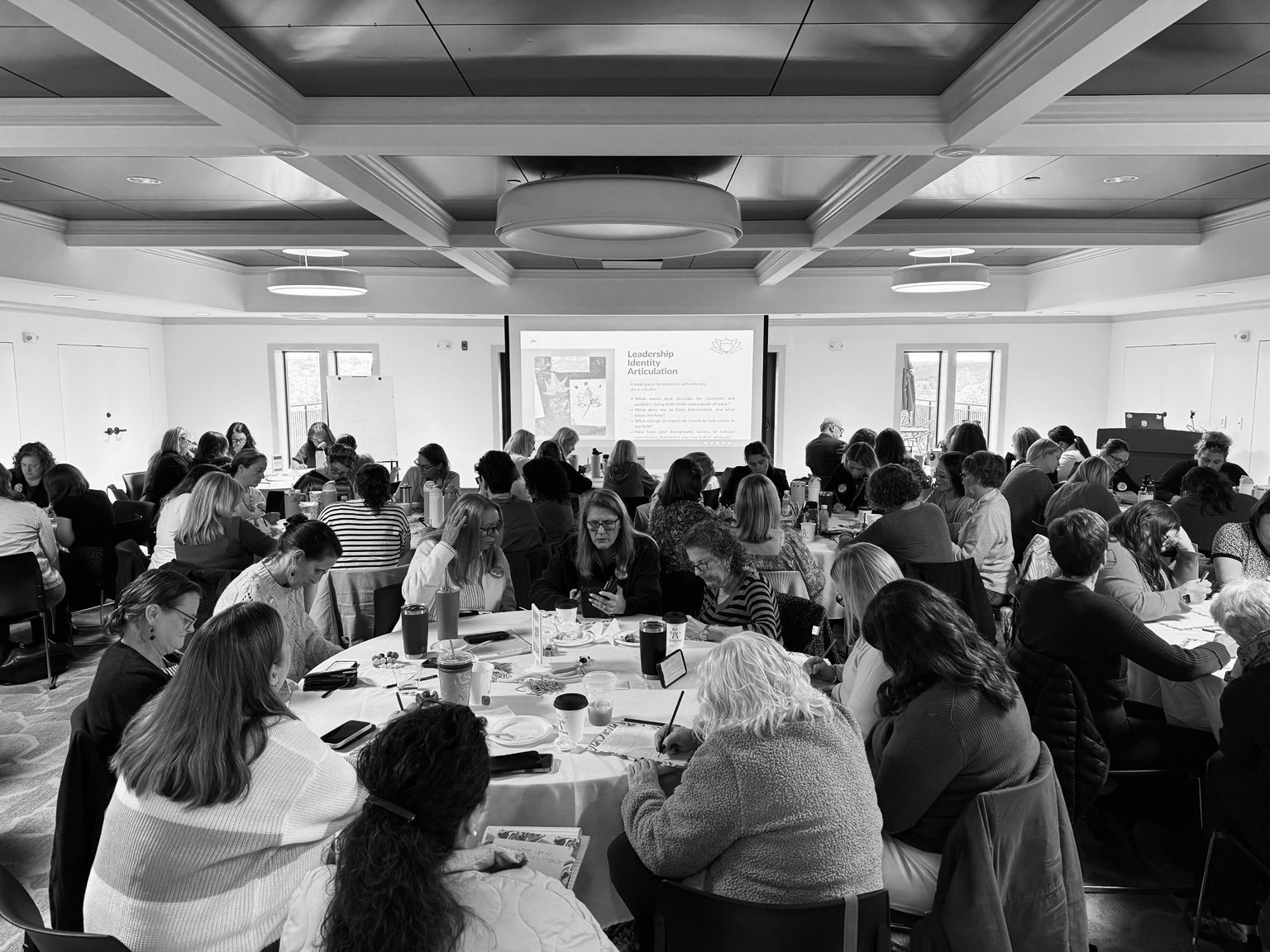
Braverick creates space for deeper learning. That may look like a scenario that challenges assumptions, a facilitated conversation where every voice matters, an eLearning experience that asks people to make decisions, or a train-the-trainer program that supports learning long after the first session ends.
The format may change. The intention does not: help people take their next meaningful step.
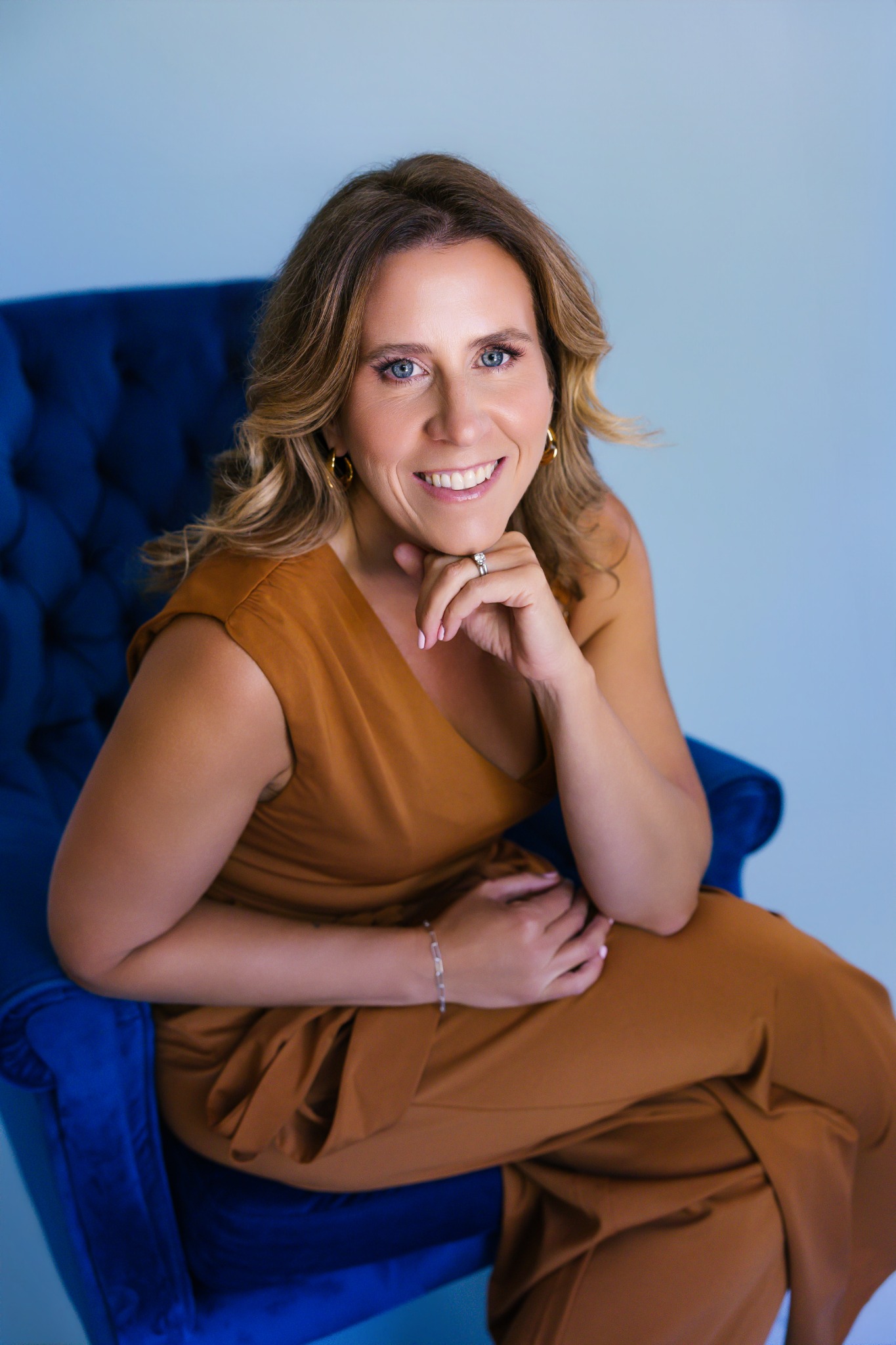
Laura brings together learning experience design, facilitation, reflective practice, and a deep curiosity about how people learn and change.
She is known for listening closely, asking open-ended questions, making room for every voice, and translating complex content into experiences people remember and use. Her work has included leadership development, mindfulness in everyday interactions, situational awareness for home visitors, feedback that builds trust, train-the-trainer programs, eLearning, and large-group facilitation.
Laura holds an M.Ed. in Instructional Design from UMass Boston and brings extensive experience supporting mission-driven organizations, public systems, leaders, supervisors, and community-based professionals. Through Braverick, she works independently with clients seeking thoughtful, human-centered learning and facilitation.
Braverick engagements begin with questions, not assumptions. Laura takes time to understand the people, the context, the challenge, and what meaningful progress would look like. Clients are invited into the design process, but they are not expected to arrive with all the answers.
The result is an experience built for the people who will actually use it.
Understand the people and context before choosing the solution.
People need room to process, question, and make meaning.
Learning should lead to something people can try, use, or do differently.
Conversation and shared experience deepen learning.
The goal is not a perfect transformation in one session. It is meaningful movement.
Accessibility is part of quality from the beginning, not an add-on.